How Long Does PPF Last in Qatar's Climate?A Complete Guide to Paint Protection Film Lifespan


Paint Protection Film has become one of the most trusted ways to shield vehicle paint in Qatar. With relentless sun exposure, fine desert sand, and scorching road temperatures, car owners need protection built to perform under pressure. Before investing, many drivers want to know how long PPF last in these tough conditions.
The answer depends on film quality, installation, and the harsh regional climate. This guide explains PPF lifespan, the factors that shape its durability, and how to keep your protection working for years.
What Is Paint Protection Film and How Does It Work?
Paint Protection Film, or PPF, is a clear, durable layer applied over vehicle paint. Made from thermoplastic polyurethane, it absorbs impacts and resists scratches while keeping the factory finish visible.
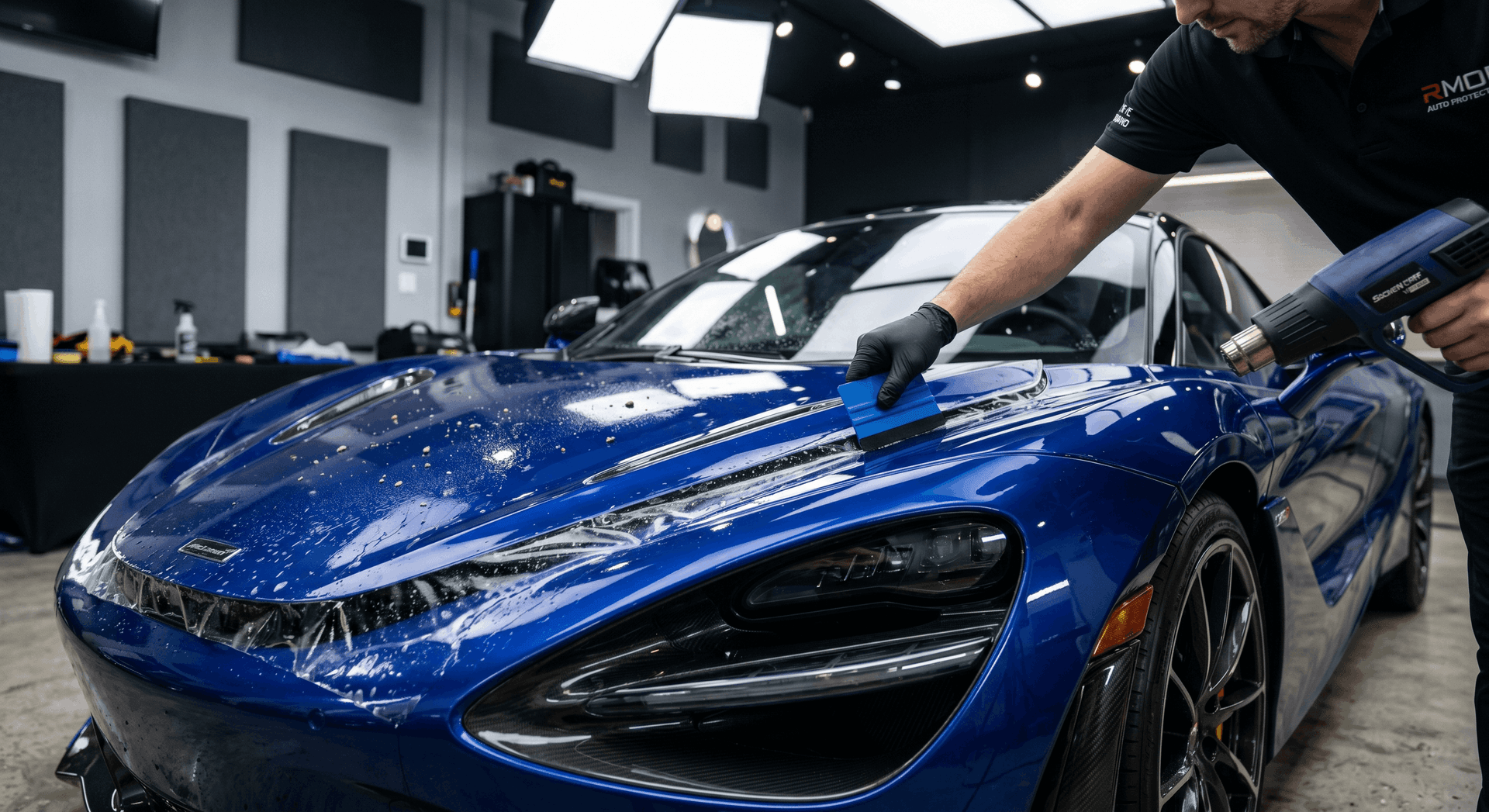
- Forms a barrier against road debris and minor abrasions
- Self-healing film technology repairs light scratches with heat
- Guards against chemical stains and oxidation on luxury vehicles
Why Qatar's Climate Affects Vehicle Paint
Qatar's environment is demanding for any finish. Constant heat, strong UV rays, and airborne sand accelerate wear on unprotected surfaces.
- Extreme summer temperatures stress paint and coatings
- UV rays cause fading and dullness over time
- Desert sand creates micro-scratches during driving and cleaning
How Long Does PPF Last in Qatar's Climate?
When owners ask how long does PPF last, the realistic answer is five to ten years in Qatar, depending on the product and care. Premium films reach the higher end, while standard films wear faster under heavy sun exposure.
- Premium PPF: seven to ten years
- Mid-range PPF: five to seven years
- Standard PPF: three to five years
Factors That Influence PPF Lifespan
Several elements shape how long PPF lasts on your vehicle. Understanding them helps owners set realistic expectations for the durability of paint protection film.
- Film grade and manufacturer quality
- Professional installation accuracy
- Frequency of car maintenance and washing
Impact of UV Exposure on Paint Protection Film
UV rays are among the biggest threats to film performance in the region. High-grade films include UV inhibitors that slow damage.
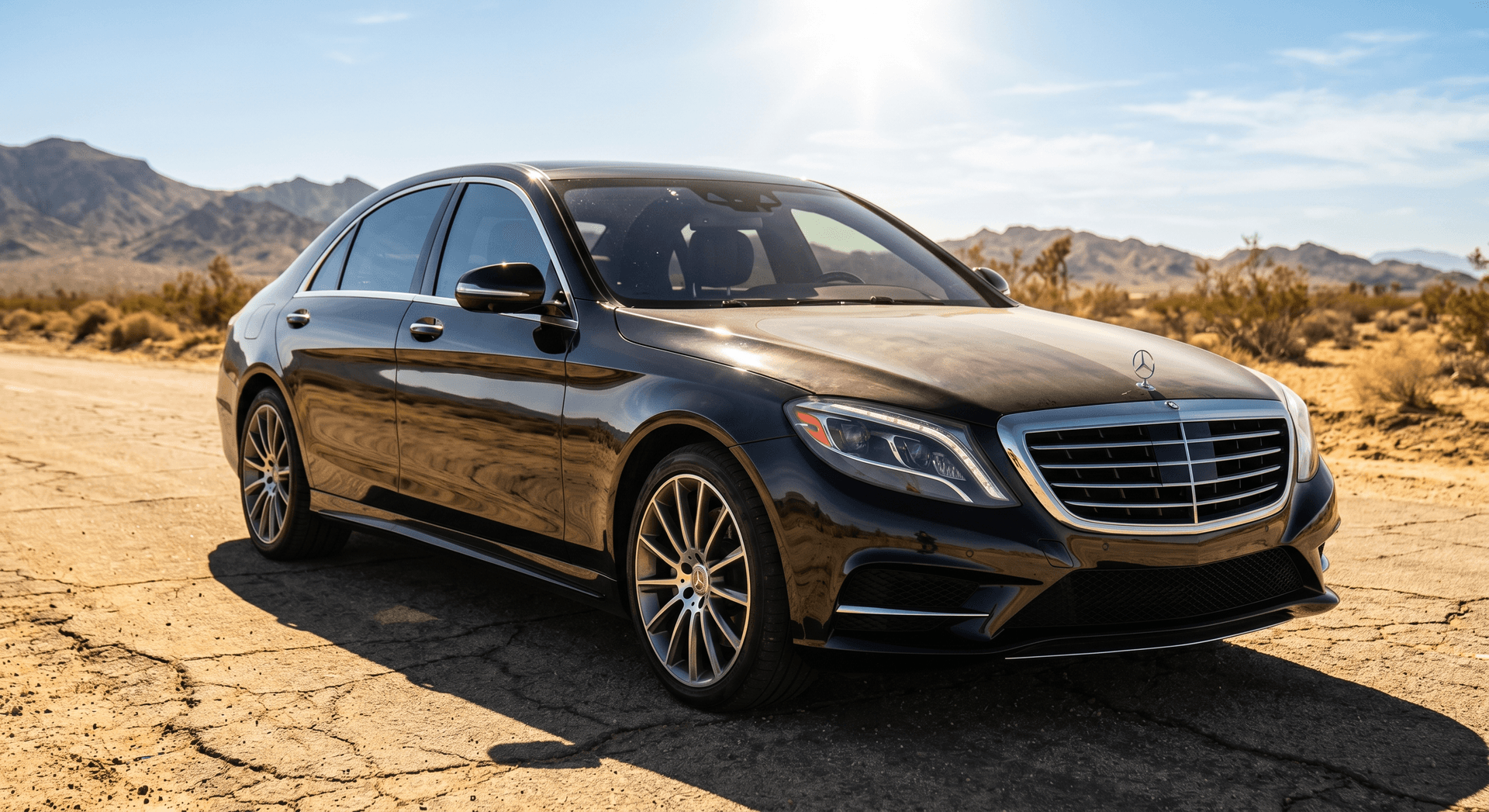
- Quality films resist yellowing and discolouration
- UV protection shields the underlying vehicle paint
- Cheap films turn cloudy and degrade faster
How Desert Sand and Road Debris Affect PPF
Desert sand and road debris are constant in Qatar. PPF takes the impact so the paint stays intact.
- Sand causes surface scratches that the self-healing film absorbs
- Stones and gravel chip film instead of bare paint
- Regular rinsing removes abrasive particles
Signs That Your PPF Needs Replacement
Even durable film eventually ages. Recognising these signs helps you act before paint damage occurs.
- Yellowing or visible discolouration
- Lifting, bubbling, or peeling edges
- Cracks or cloudy patches that no longer heal
How to Extend the Life of Paint Protection Film
Good habits noticeably extend the expected life of paint protection film. Simple care makes a measurable difference.
- Wash gently with pH-neutral products
- Avoid harsh brushes and automated car washes
- Park in shade and schedule routine car detailing inspections
Does Premium PPF Last Longer Than Standard Films?
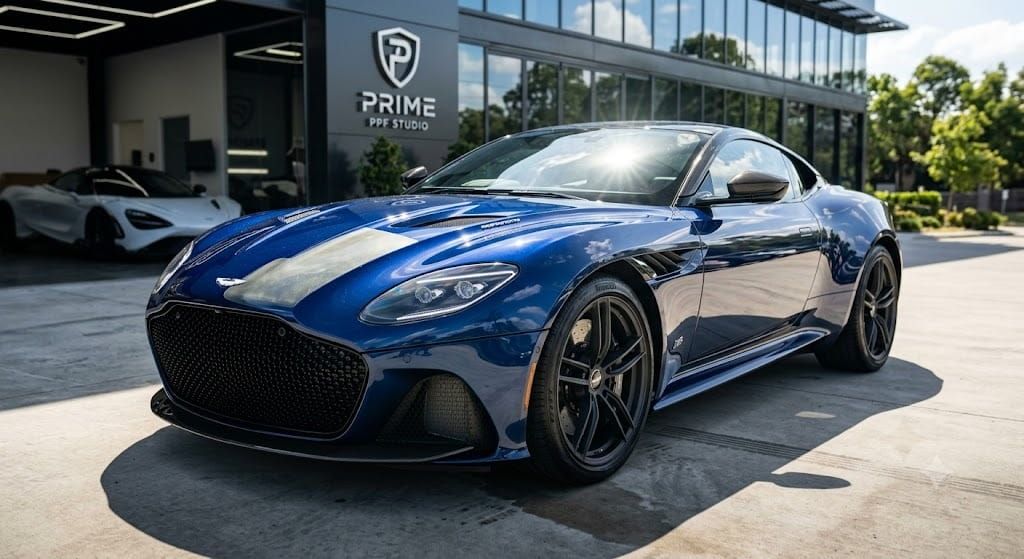
Premium films clearly outperform budget options, using stronger thermoplastic polyurethane and better UV stabilisers.
- Longer warranties, often up to ten years
- Superior self-healing and optical clarity
- Better resistance to heat and staining
PPF vs Ceramic Coating for Long-Term Protection
PPF and ceramic coating serve different roles. Many owners combine both for complete automotive protection.
- PPF guards against physical impacts and chips
- Ceramic coating adds gloss and easy cleaning
- Together they maximise long-term defence
Is PPF Worth the Investment in Qatar?
For most owners, PPF is a worthwhile investment. It preserves resale value and reduces the need for future paint correction.
- Protects expensive factory paint
- Lowers long-term maintenance costs
- Ideal for Land Cruisers, G-Wagons, and Range Rovers
Conclusion
Paint Protection Film remains one of the smartest choices for protecting vehicles in Qatar's harsh climate. With proper care, quality film delivers years of reliable defence against UV rays, desert sand, and road debris.
Knowing how long PPF lasts helps owners choose the right film and care plan. A premium product, expert installation, and consistent maintenance keep any vehicle looking its best.
Frequently Asked Questions
How long does PPF last on a car in Qatar?
Quality PPF typically lasts five to ten years in Qatar. Premium films reach the higher end with proper care, while standard films wear faster under intense sun exposure.
Can Qatar's heat damage PPF?
Extreme heat can shorten film life, but high-grade films are engineered to withstand it. UV inhibitors and quality thermoplastic polyurethane resist heat-related wear.
Does PPF turn yellow over time?
Low-quality film may yellow, but premium PPF resists discolouration for years. Strong UV protection keeps the film clear and the paint vibrant.
How can I make my PPF last longer?
Wash gently, avoid harsh chemicals, park in shade, and book regular inspections. These habits extend the paint protection film's durability significantly.
Is PPF better than ceramic coating for paint protection?
PPF offers stronger physical protection against chips and debris, while ceramic coating enhances shine. Combining both gives the best long-term protection.